जब डॉक्टर MRI Scan कराने की सलाह देते हैं, तो मरीजों के मन में कई…
What is the MRI?
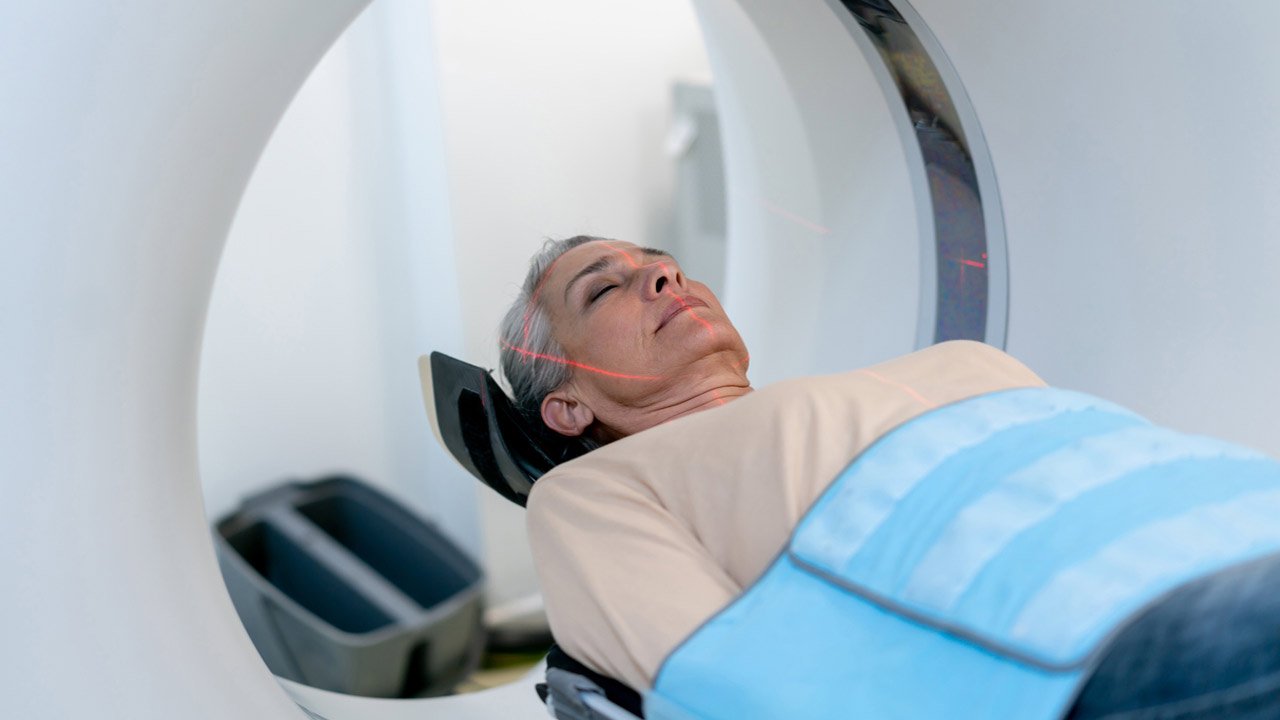
MRI (Magnetic Resonance Imaging) is a non-invasive medical imaging technique used to create highly detailed images of the inside of the human body. Unlike X-rays or CT scans, MRI does not use ionizing radiation. Instead, it relies on strong magnetic fields, radio waves, and advanced computer processing to produce clear images of organs, soft tissues, bones, and other internal structures.
How MRI Works
MRI technology is based on the scientific principle of nuclear magnetic resonance. The human body contains a large amount of water, and water molecules consist of hydrogen atoms. These hydrogen atoms have nuclei that behave like tiny magnets.
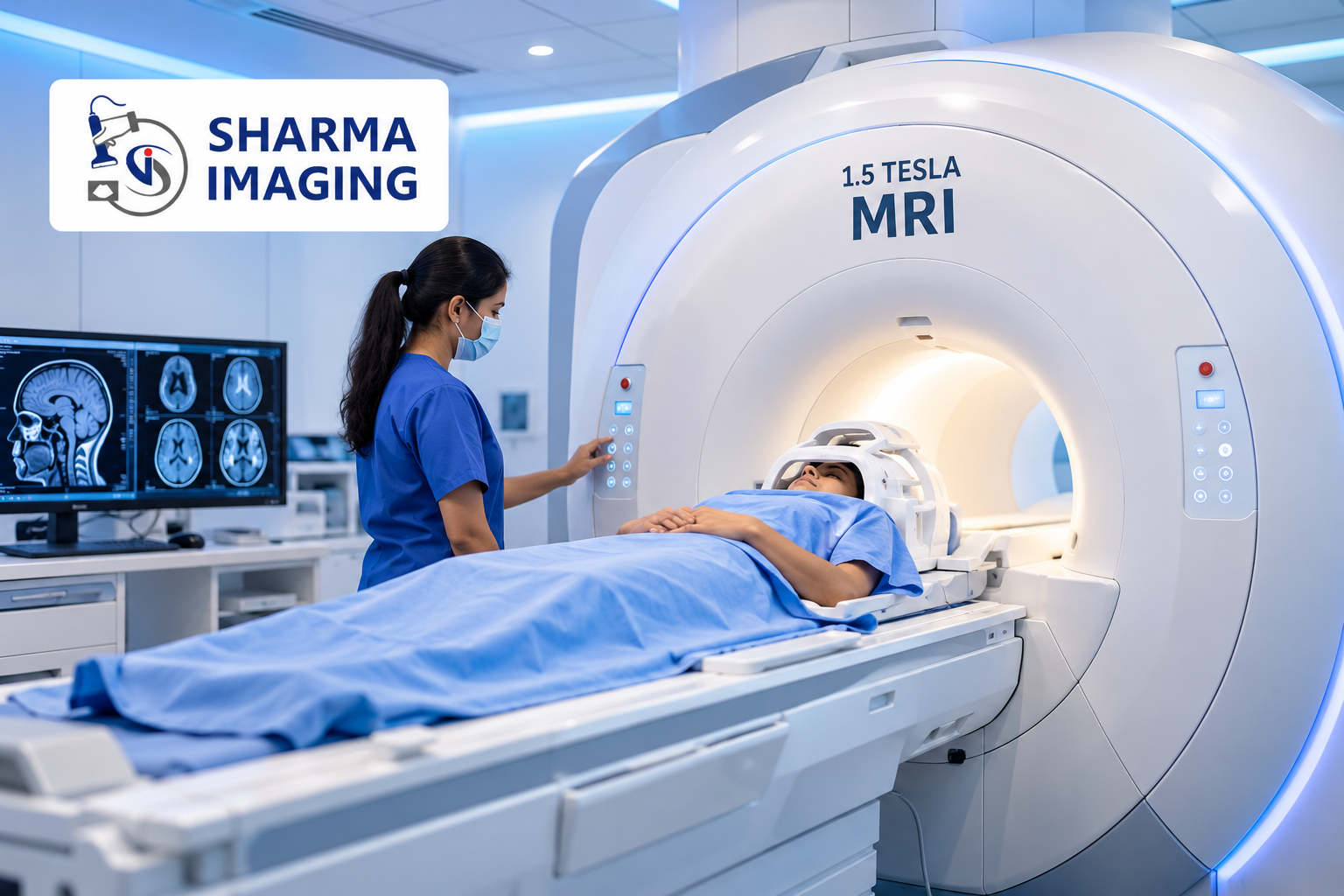
During an MRI scan, the patient lies inside a large, tube-shaped machine that generates a powerful magnetic field. This magnetic field aligns the hydrogen atoms in the body. Then, radiofrequency pulses are sent into the body, temporarily disturbing this alignment. When the pulses are turned off, the atoms return to their original position and release energy. This energy is detected by the MRI machine and converted into detailed images by a computer.
Types of MRI Scans
MRI scans can be customized depending on the part of the body being examined:
- Brain MRI: Used to detect tumors, brain injuries, and neurological conditions
- Spine MRI: Helps diagnose disc problems, spinal cord injuries, and infections
- Musculoskeletal MRI: Examines joints, muscles, ligaments, and tendons
- Cardiac MRI: Evaluates heart structure and function
- Functional MRI (fMRI): Measures brain activity by detecting changes in blood flow
Uses of MRI
MRI is widely used in modern medicine because of its ability to produce high-resolution images of soft tissues. Doctors use MRI to:
- Diagnose diseases such as brain tumor, multiple sclerosis, and ligament injuries
- Detect abnormalities in organs like the liver, kidneys, and heart
- Monitor disease progression and treatment effectiveness
- Plan surgeries and guide certain medical procedures
MRI is particularly useful for examining the brain and spinal cord because it provides much clearer images of soft tissues compared to CT scans.
Advantages of MRI
MRI has several important benefits:
- No radiation: Unlike CT scans, MRI does not use ionizing radiation, making it safer for repeated use
- Excellent soft tissue detail: It provides superior contrast between different soft tissues
- Non-invasive: No surgical procedures are required
- Versatile: Can image almost any part of the body in great detail
Risks and Limitations
Although MRI is generally safe, there are some limitations:
- Strong magnetic field: Patients with metal implants (such as pacemakers or metal clips) may not be able to undergo MRI
- Claustrophobia: The enclosed space of the machine can be uncomfortable for some patients
- Longer scan time: MRI scans typically take longer than CT scans
- Noise: The machine produces loud tapping or thumping sounds during the scan
In some cases, a contrast agent may be used to enhance image quality. Although rare, this can cause mild side effects in certain individuals.
Preparation and Procedure
Before the scan, patients are usually asked to remove metal objects such as jewelry, watches, or belts. Depending on the type of MRI, fasting may be required. During the procedure, the patient must lie still on a table that slides into the MRI machine. The scan is painless, but staying still is important for clear images.
Conclusion
MRI is a powerful and advanced imaging technique that has transformed modern diagnostics. By using magnetic fields and radio waves, it provides highly detailed images without exposing patients to radiation. Despite some limitations, MRI remains an essential tool for diagnosing and monitoring a wide range of medical conditions, especially those involving soft tissues and the nervous system.
Related Posts