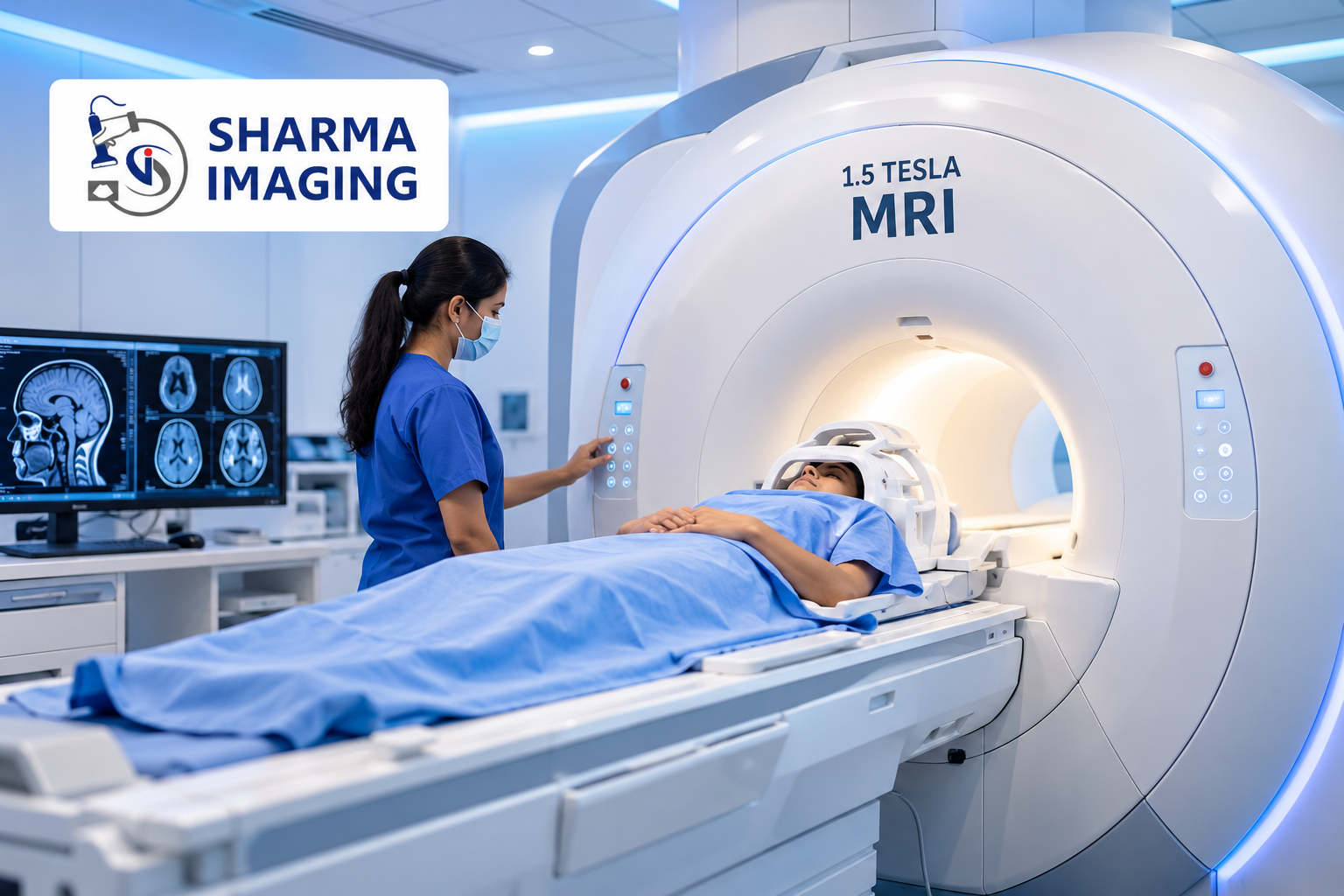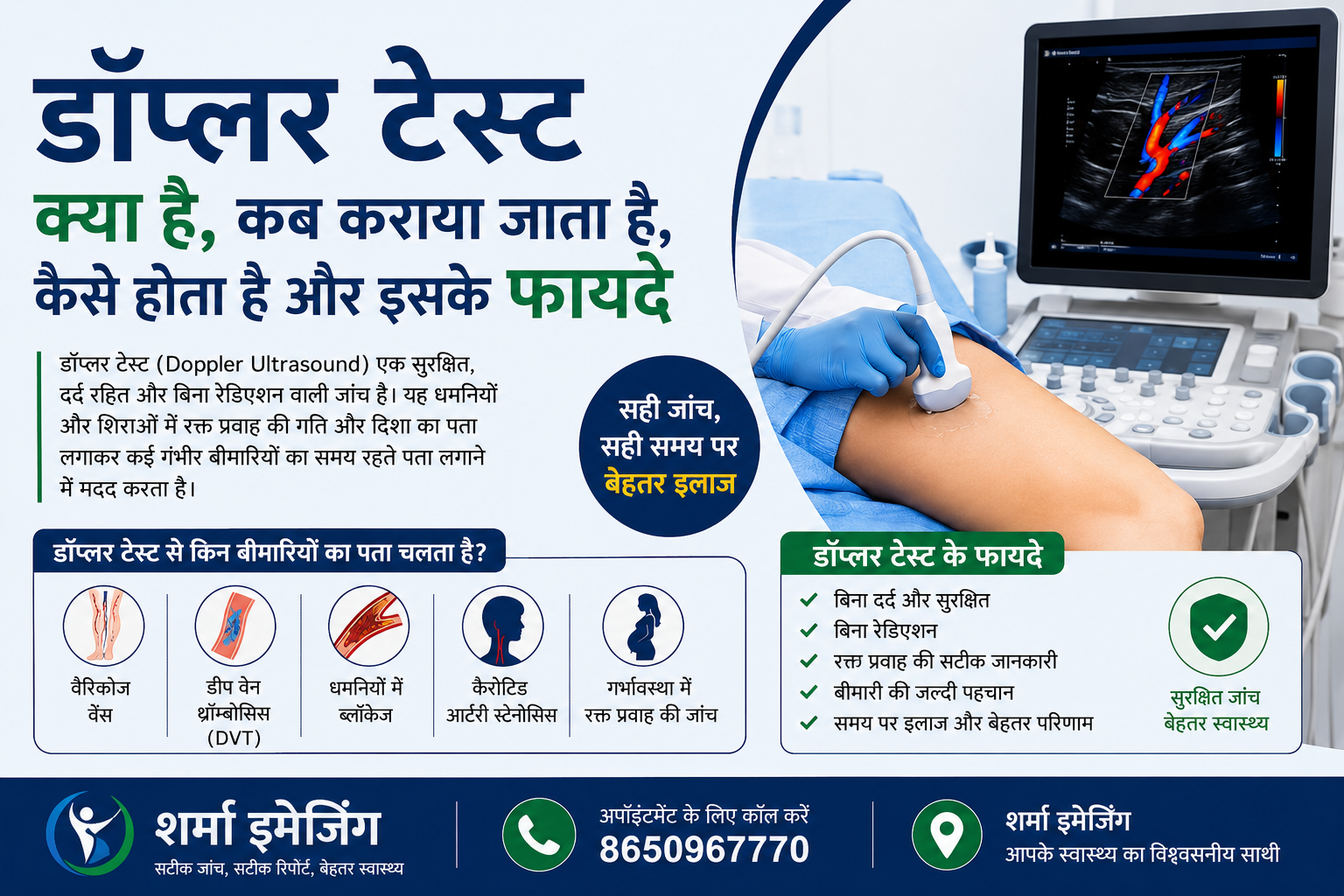
जब डॉक्टर MRI Scan कराने की सलाह देते हैं, तो मरीजों के मन में कई…
What is the CT Scan?
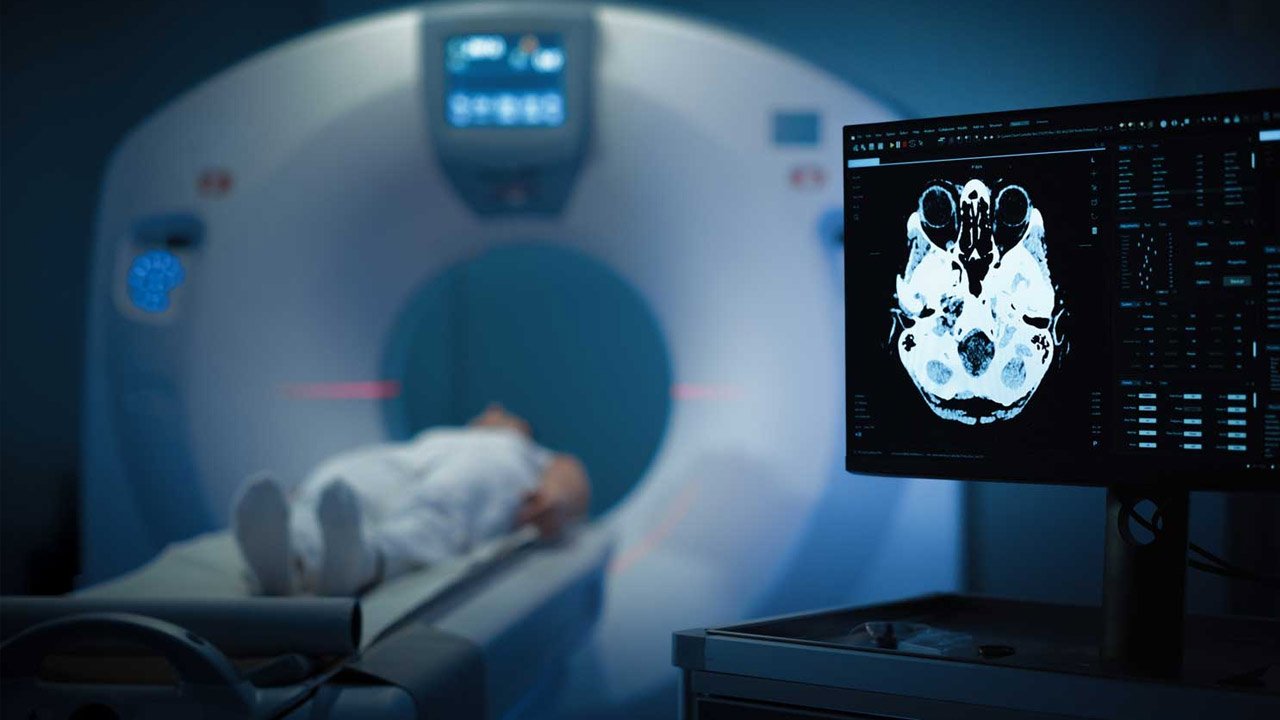
A CT scan (Computed Tomography scan) is a medical imaging technique that uses X-rays and computer technology to create detailed cross-sectional images of the body. Unlike a regular X-ray, which produces a single flat image, a CT scan generates multiple images (called slices) that can be combined to form a 3D view of internal organs, bones, blood vessels, and soft tissues.
How a CT Scan Works
A CT scanner consists of a large, donut-shaped machine with a rotating X-ray tube and detectors. During the scan, the patient lies on a motorized table that slowly moves through the machine. As the X-ray tube rotates around the body, it sends beams from different angles. These beams pass through the body and are detected on the other side.
The data collected is processed by a computer using advanced algorithms to create detailed images. This process is based on the scientific concept of X-ray imaging, which measures how different tissues absorb radiation. Dense materials like bone absorb more X-rays and appear white, while softer tissues appear in shades of gray.
Types of CT Scans
CT scans can be specialized depending on the body part being examined:
- Head CT scan: Used to detect brain injuries, tumors, or bleeding.
- Chest CT scan: Helps diagnose lung diseases such as infections or cancer.
- Abdominal CT scan: Used to examine organs like the liver, kidneys, and intestines.
- CT angiography: Visualizes blood vessels and detects blockages or abnormalities.
Uses of CT Scans
CT scans are widely used in modern medicine because of their accuracy and speed. They help doctors:
- Diagnose conditions such as tumors, infections, fractures, and internal bleeding
- Guide procedures like biopsies and surgeries
- Monitor the effectiveness of treatments (e.g., cancer therapy)
- Detect diseases early, including cancer and stroke
They are especially useful in emergency situations because they can quickly provide life-saving information.
Advantages of CT Scans
CT scans offer several benefits:
- High detail: They provide clearer and more detailed images than standard X-rays
- Speed: Most scans take only a few minutes
- Non-invasive: No surgery is required
- Versatility: Can image bones, soft tissues, and blood vessels
Risks and Limitations
Despite their usefulness, CT scans have some risks:
- Radiation exposure: CT scans use more radiation than regular X-rays, which may increase the risk of developing conditions like cancer if used frequently
- Allergic reactions: Some scans use contrast dye, which may cause allergic reactions in certain individuals
- Not always necessary: Doctors must carefully decide when a CT scan is needed to avoid unnecessary exposure
Preparation and Procedure
In some cases, patients may be asked to avoid eating or drinking before the scan, especially if contrast dye is used. The dye may be swallowed, injected, or inserted depending on the type of scan. During the procedure, the patient must remain still to ensure clear images. The scan itself is painless.
Conclusion
A CT scan is a powerful diagnostic tool that has revolutionized medical imaging. By combining X-rays with computer processing, it allows doctors to see inside the body in great detail. While it carries some risks due to radiation, its benefits in diagnosing and managing diseases make it an essential part of modern healthcare.
Related Posts